Build skills and confidence
Programming is an experiential skill — the more you do, the better you get.
We will kick-start your learning journey by giving you the knowledge and tasks to build your skills and, most importantly, your ability to continue learning independently.
Take control of your data
Learn how to investigate your datasets — no matter how large or impenetrable.
We give you the experience and tools to examine, QC, and output tables and graphs from your own data — whatever the format!
Intermediate and advanced courses available
Write better code and use more advanced tools to utilise your data more.
Once you have mastered the basics, then we can help you learn more advanced techniques, analyses, and tools to truly mine the information in your data.
30+ years programming professionally, mentoring individuals and teams, former university lecturer
Speak with usWhy learn with us?
Learning to program is a tough assignment — if you were the type of person who could learn from dry, online courses then you would probably have done it by now!
Our in-person courses are paced to the attendees, relaxed, and engaging.
We help scientists with every level of coding ability — from complete beginners onward — to gain the knowledge, skills, and confidence to program independently and control their own continued learning.
The courses mix lecture-style with many practical tasks, one-to-one time, and group conversations — led by the attendees to answer their questions, no matter how tangential to the course materials!
The notes and tasks dovetail together to keep attendees interested and layering increasing knowledge at each stage, supporting the learning of all attendees whatever their pace of learning.
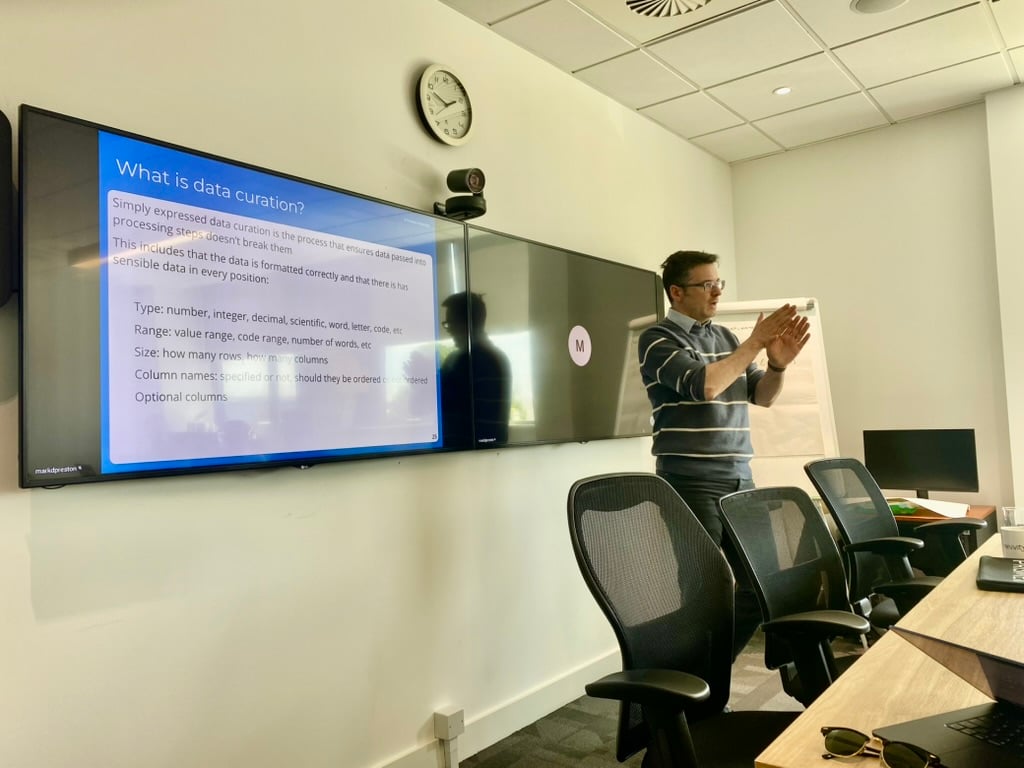
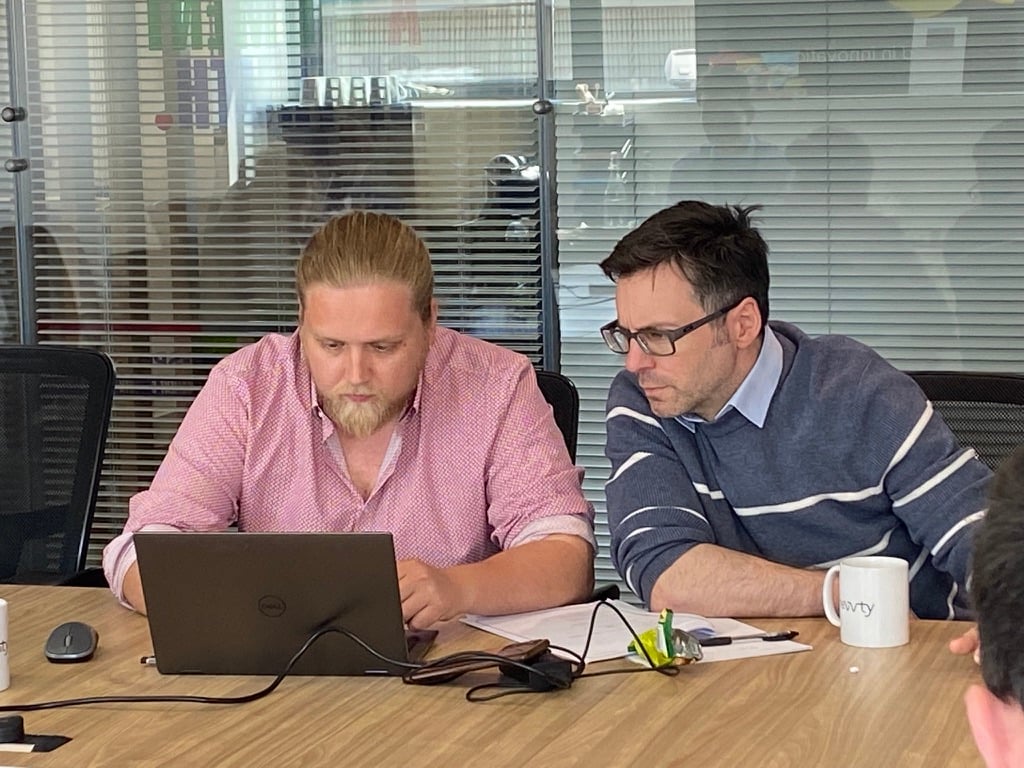
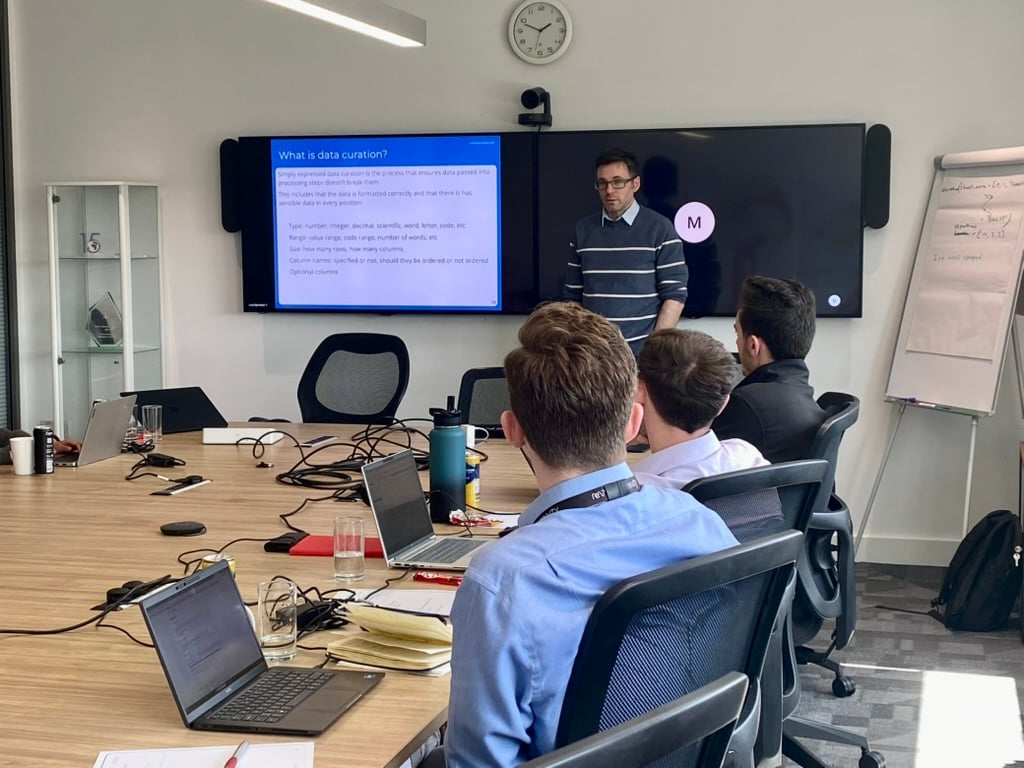
Overcome inertia by learning to program in an engaging and supportive atmosphere
Introduction to Programming for Scientists
Three day, in-person courses in R or Python
Learning outcomes:
Familiarity and confidence with programming
Understanding context and history of computer science
Use the IPO model to read in Excel data, examine it, and produce plots
Learn about multiple formats: Excel, JSON, image files
Further courses:
Intermediate
Learning outcomes:
Programming with VS Code and git
Advanced program flow
Curating, aggregating, and transforming complex datasets
Basic statistical analyses
Complex graphical outputs
Advanced
Learning outcomes:
Working collaboratively in teams
Deploying code and libraries
Logging, debugging, and writing efficient code
Object oriented code
Using advanced statistics and AI/ML